



未购
中图号TU2
语种ENG
出版年2014
出版信息
Wiley
EISBN
9781119021612
PISBN
9781118613481
- 介绍
- 目录
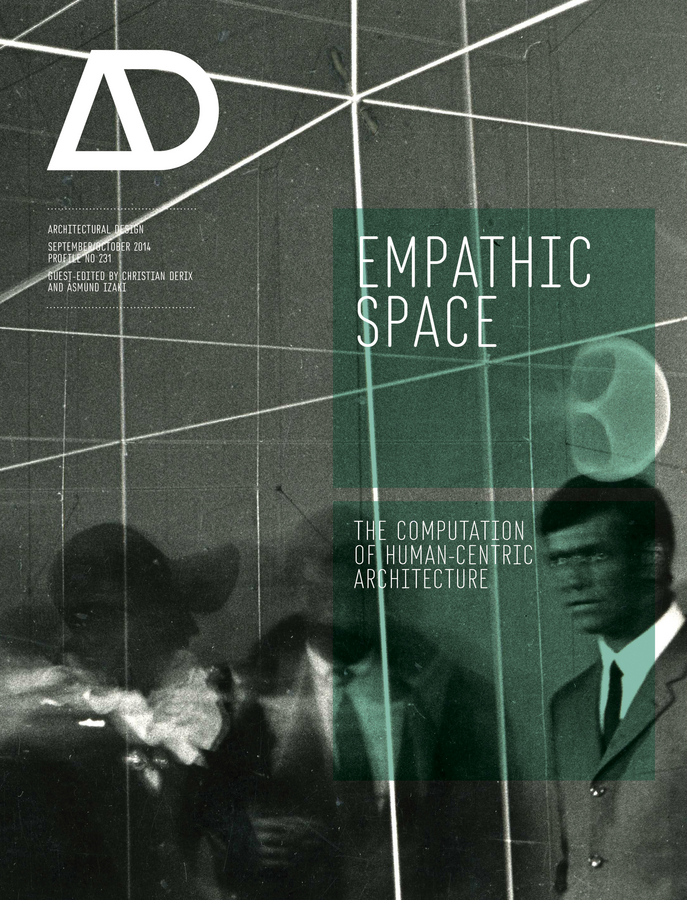
In recent years, questions of space have gained renewed momentum in architecture and urban design, as adaptation, densification and sustainable regeneration have become an increasing priority. While most computing-based design tends to emphasise the formal aspects of architecture, overlooking space and its users, the ‘original’ computational design approaches first spearheaded in the UK in the 1960s and 1970s tended to be focused on behavioural and occupational patterns. Over the last decade, a new generation of design research has emerged that has started to implement and validate previous investigations into spatial computation, aiming to understand how to design spatial configurations based on user experiences. This revives an interest in the experiential that was first explored in the early 20th century by German and Nordic organic architects, who invented design methods that correlated cognitive responses of buildings' occupants to spatial structure. The current revival of human-centric design, however, represents the first design approach that synthesises spatial design and algorithmic techniques with organic design thinking, which could also be regarded as a return to the ‘first principles' of architectural design.
机构馆藏
- 哥伦比亚大学
- 加州大学伯克利分校
- 伦敦大学
- 牛津大学
- 普林斯顿大学
- 耶鲁大学
相似图书